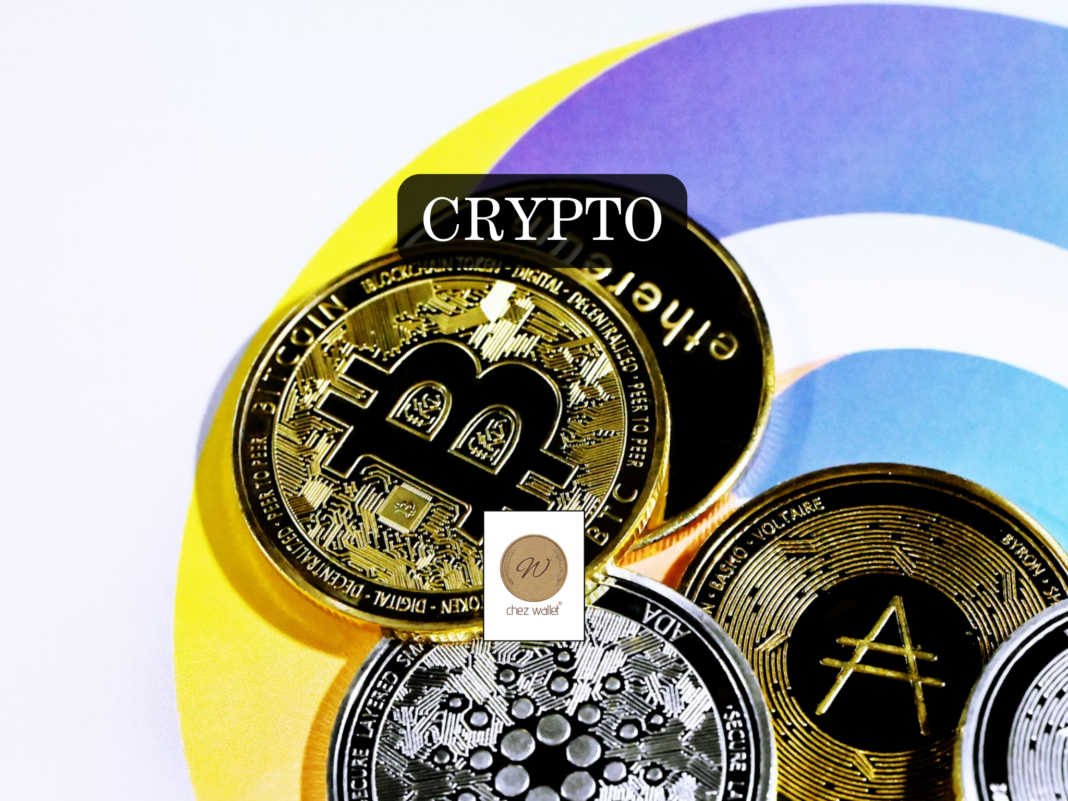

Pakistan has taken a major dual-track approach toward digital currency by establishing a specialized cryptocurrency investigation unit within the Federal Investigation Agency to combat illicit financial activities while simultaneously advancing its formal market framework. Speaking to Dawn, FIA Counter-Terrorism Wing Director Dr Muhammad Athar Waheed confirmed that this new investigative branch operates under the newly operational National Command and Control Centre, designed specifically to probe the criminal use of virtual assets such as money laundering and terrorism financing. While this enforcement unit focuses strictly on investigating unlawful financial flows, the recently created Pakistan Virtual Assets Regulatory Authority remains the sole federal body tasked with overseeing, licensing, and regulating legitimate digital asset operators across the country.
To ensure a comprehensive national strategy against virtual currency exploitation, Dr Waheed emphasized the urgent need for parallel enforcement measures across other key state agencies. He specifically called on both the National Cyber Crime Investigation Agency and the Anti-Narcotics Force to build similar dedicated crypto units within their respective ranks to aggressively counter the growing reliance on digital currencies in cybercrime schemes and illegal drug trafficking networks. Furthermore, authorities are actively drafting new procedural rules aimed at streamlining legal processes and ensuring that all crypto-related financial inquiries are wrapped up within fixed, standardized timeframes to improve overall conviction rates and accountability.
The establishment of the National Command and Control Centre brings the complete array of the Federal Investigation Agency financial-crime investigation tools onto a single, integrated command platform. This central hub houses specialized desks for anti-money laundering and virtual-currency tracking, a dedicated Interpol coordination point for rapid international law enforcement cooperation, and advanced operational units focused on open-source intelligence, active cyber patrolling, and dark web surveillance. By consolidating these technical capabilities, the agency aims to deliver a unified response against complex, cross-border financial crimes that leverage decentralized digital networks.
These enforcement developments coincide with unprecedented state-level momentum toward integrating virtual currencies into the national economy. After ranking third globally in the Chainalysis Global Crypto Adoption Index, Pakistan has moved aggressively to formalize the industry by lifting an eight-year ban on crypto banking, establishing PVARA as a permanent federal regulator, advancing licensing protocols for major global cryptocurrency exchanges, and actively exploring plans to tokenize state-owned assets. Beyond domestic reforms, Islamabad has also woven digital assets into its high-level diplomatic and economic engagements with Washington. This includes striking an exploratory agreement with an affiliate of World Liberty Financial, a crypto venture associated with the Trump family, to evaluate the use of its USD1 stablecoin for cross-border settlement and international remittances.
However, this rapid state embrace hit a notable obstacle when the prominent Jamia Darul Uloom Karachi seminary issued a formal fatwa ruling that cryptocurrency does not constitute valid wealth under Islamic legal principles and therefore cannot serve as a permissible medium of exchange. In response to the uncertainty created by the religious decree, PVARA Chairman Bilal bin Saqib engaged with religious scholars, urging them to differentiate between purely speculative tokens and asset-backed digital instruments. Saqib highlighted fully reserved stablecoins and blockchain-recorded sukuk as viable financial tools, expressing confidence that Pakistan can lead the global economy in Shariah-compliant digital finance. For the time being, the newly launched FIA investigation unit gives the state a formidable enforcement mechanism to match its economic ambitions, even as the broader debate over religious permissibility continues across the country.
Follow the SPIN IDG WhatsApp Channel for updates across the Smart Pakistan Insights Network covering all of Pakistan’s technology ecosystem.