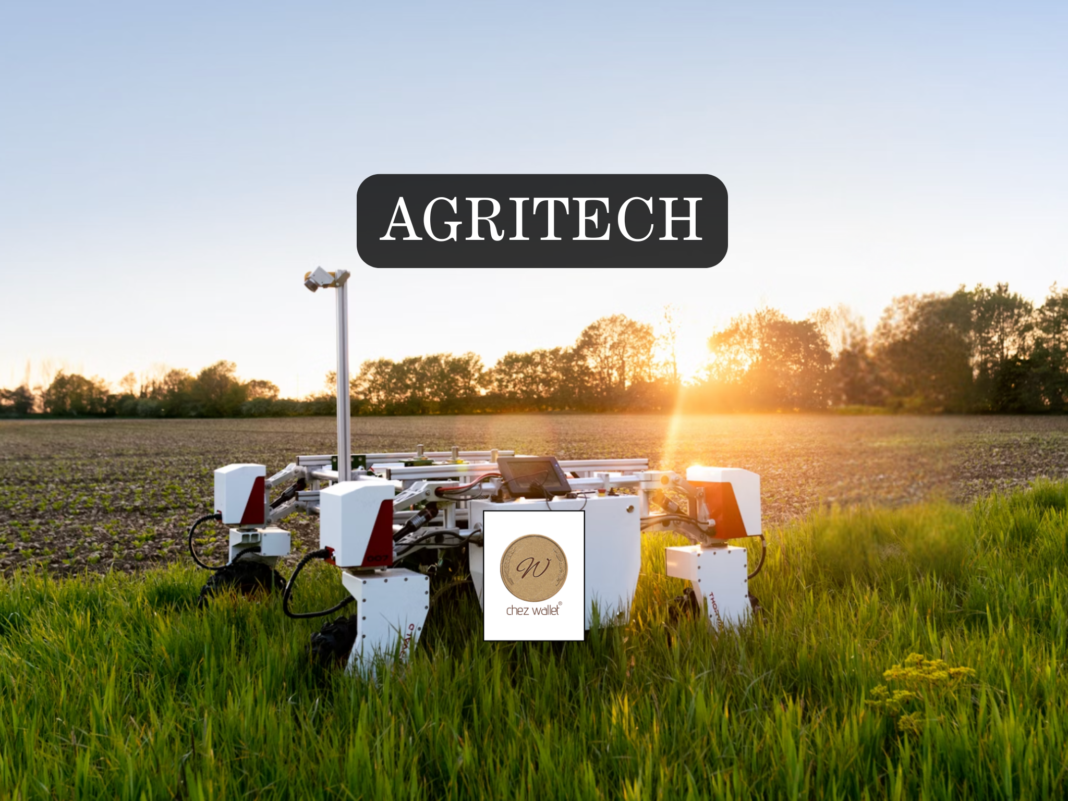

Prime Minister Shehbaz Sharif has announced a comprehensive plan to transform Pakistan’s agricultural landscape through a combination of tax relief, policy reform, and heavy investment in agri-tech innovation. The initiative is part of the government’s broader economic strategy to revitalize rural livelihoods, boost productivity, and enhance food security ahead of the fiscal year 2026 budget.
In a high-level meeting on Wednesday, the Prime Minister pledged significant reductions in duties on farm machinery and affirmed that no new taxes would be imposed on essential agricultural inputs such as fertilizers and pesticides. These measures aim to reduce input costs for farmers and stimulate broader adoption of modern farming technologies.
“Agriculture is the backbone of Pakistan’s economy, and sustainable reforms in the sector will further boost growth,” Sharif said, according to an official statement. Agriculture currently contributes around 23 percent to the national GDP and employs nearly 38 percent of the labor force. Despite its critical role in the economy, the sector faces persistent challenges including water scarcity, outdated farming practices, limited access to storage, and fluctuating input prices.
With the FY26 federal budget on the horizon, the government has prioritized rural economic recovery, technological advancement in agriculture, and the integration of smallholders into formal markets. Key reforms include accelerating infrastructure development, expanding credit access, and incentivizing innovation through public-private partnerships.
During the meeting, officials presented the proposed National Agriculture Innovation and Growth Action Plan. This framework outlines strategies to increase crop yields, improve irrigation efficiency, enhance supply chains, and support high-value export crops. The plan also aims to build capacity among small-scale farmers through targeted training and digital tools.
Prime Minister Sharif underscored the importance of building a skilled workforce for the agriculture sector, specifically advocating for more support for Pakistani students pursuing agricultural studies abroad, especially in China, where partnerships in agri-research and technology are expanding.
The meeting also highlighted progress under the government-backed Ignite National Technology Fund, which has helped launch 129 agri-tech startups to date. These startups are leveraging data-driven solutions in smart farming, water conservation, automated irrigation systems, and digital marketplaces. Their innovations are expected to significantly enhance farming efficiency and provide farmers with real-time market access and analytics.
As Pakistan grapples with the dual pressures of climate vulnerability and rising food demand, the new focus on digital agriculture marks a pivotal moment. The government’s shift toward lowering costs and empowering farmers with modern tools reflects a growing recognition that innovation is essential to ensuring food security and economic resilience.
By easing financial pressures and investing in technology-led solutions, the government hopes to reverse decades of underperformance in agriculture and bring millions of rural households into the fold of sustainable economic development.