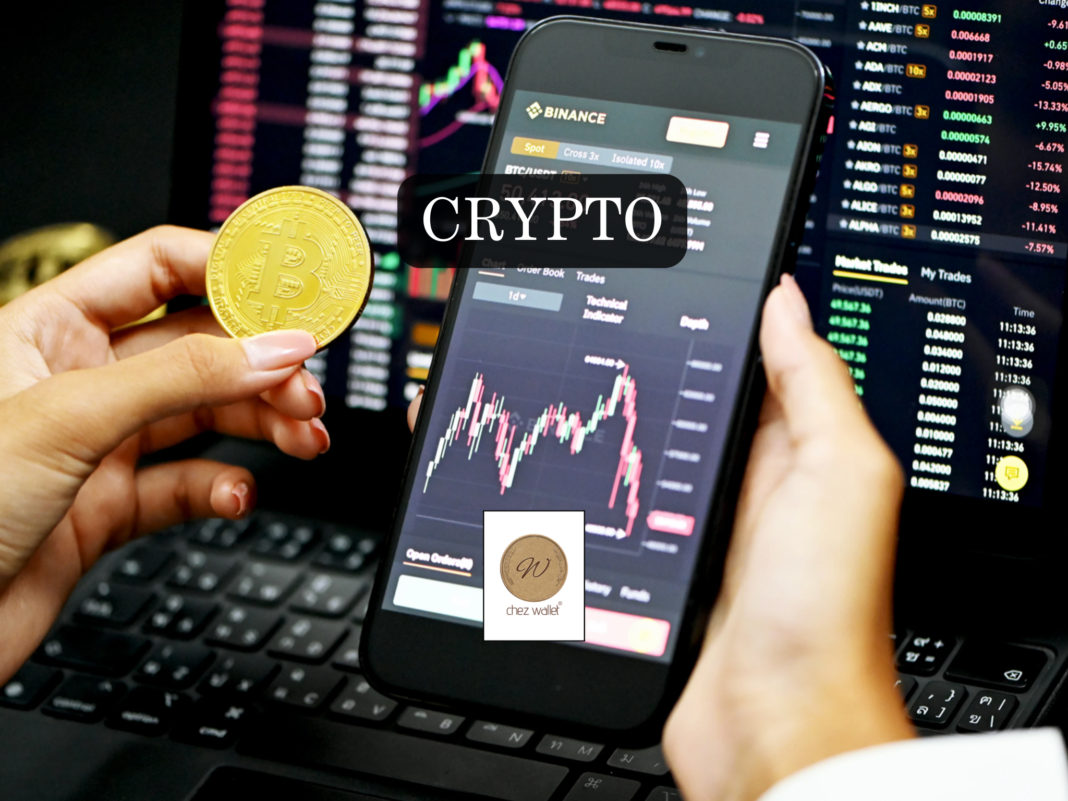
Pakistan has signed a memorandum of understanding with global cryptocurrency exchange Binance to explore the tokenisation of up to $2 billion worth of the country’s real-world and sovereign assets, marking a significant step in its evolving digital finance strategy. The development was confirmed by the Ministry of Finance on Friday, signalling the government’s growing interest in blockchain-based financial infrastructure and innovative capital market solutions.
According to the finance ministry, the MoU establishes a framework for potential collaboration focused on the tokenisation and blockchain-enabled distribution of Pakistan’s assets. These assets may include sovereign bonds, treasury bills, and commodity reserves such as oil, gas, metals, and other raw materials owned by the government. Tokenization involves creating a digital representation of a physical or financial asset on a blockchain, enabling fractional ownership, enhanced liquidity, and improved transparency.
The ministry stated that the proposed initiative could involve assets valued at up to $2 billion, subject to regulatory and governmental approvals. The objective is to improve liquidity, increase transparency, and broaden access to international markets by leveraging blockchain technology. Officials believe that tokenisation could help modernise Pakistan’s financial system while attracting global investors seeking exposure to regulated digital asset instruments.
Finance Minister Muhammad Aurangzeb described the MoU as a signal of Pakistan’s reform-driven trajectory and a foundation for a long-term partnership with the global blockchain ecosystem. He said the agreement reflects the government’s intention to adopt emerging technologies responsibly while strengthening financial discipline and governance.
Binance founder Changpeng Zhao welcomed the development, calling it a strong signal for both Pakistan and the global blockchain industry. He said the MoU marked the beginning of a broader move toward the full deployment of tokenisation initiatives in the country, positioning Pakistan as a potential regional player in blockchain-enabled finance.
In a parallel regulatory development, the Pakistan Virtual Assets Regulatory Authority issued no objection certificates to Binance and HTX, allowing them to initiate regulated engagement within Pakistan’s digital asset market. The NOCs were granted following a formal review process conducted in coordination with relevant public-sector stakeholders, with a focus on governance standards, compliance mechanisms, risk management frameworks, and alignment with emerging regulatory requirements.
The finance minister said the structured NOC framework demonstrated Pakistan’s commitment to responsible innovation, transparency, and financial discipline. He emphasised that the approach balances market development with regulatory oversight to ensure consumer protection and systemic stability.
Under the NOC framework, the firms are permitted to register on the Financial Monitoring Unit’s goAML system, engage with the Securities and Exchange Commission of Pakistan for local subsidiary incorporation, submit full virtual asset service provider licence applications, and offer AML-registered services after completing goAML registration. Authorities clarified that the issuance of the NOCs does not constitute a full operating licence and that further regulatory approvals will be required.
PVARA Chairman Bilal Bin Saqib described the move as the beginning of a new chapter for Pakistan’s digital asset ecosystem. He said the issuance of NOCs represents the first step toward a fully licensed and regulated environment that prioritises consumer protection, financial integrity, and responsible innovation.
Pakistan currently ranks third globally in crypto adoption, with an estimated 30 to 40 million users. Annual trading volumes linked to the country are projected to exceed $300 billion, highlighting the scale and urgency of regulatory oversight in the sector. PVARA reiterated the importance of timely and structured regulation to ensure transparency, governance, and market integrity, while reaffirming that Pakistan remains open to innovation within clearly defined rules.
The combined developments reflect Pakistan’s broader effort to integrate blockchain technology into its financial architecture while establishing a regulated pathway for digital asset platforms to operate within the country.
Follow the SPIN IDG WhatsApp Channel for updates across the Smart Pakistan Insights Network covering all of Pakistan’s technology ecosystem.